Veterans
·10 min read
What Veterans Should Know Before Their First Ayahuasca Retreat — A Veteran's Honest Guide
Written by an Iraq War veteran who runs the veterans program at Harmony Retreats Ecuador. What plant medicine does for combat-related PTSD, what it doesn't, what to expect, and the questions to ask before you trust anyone with this.
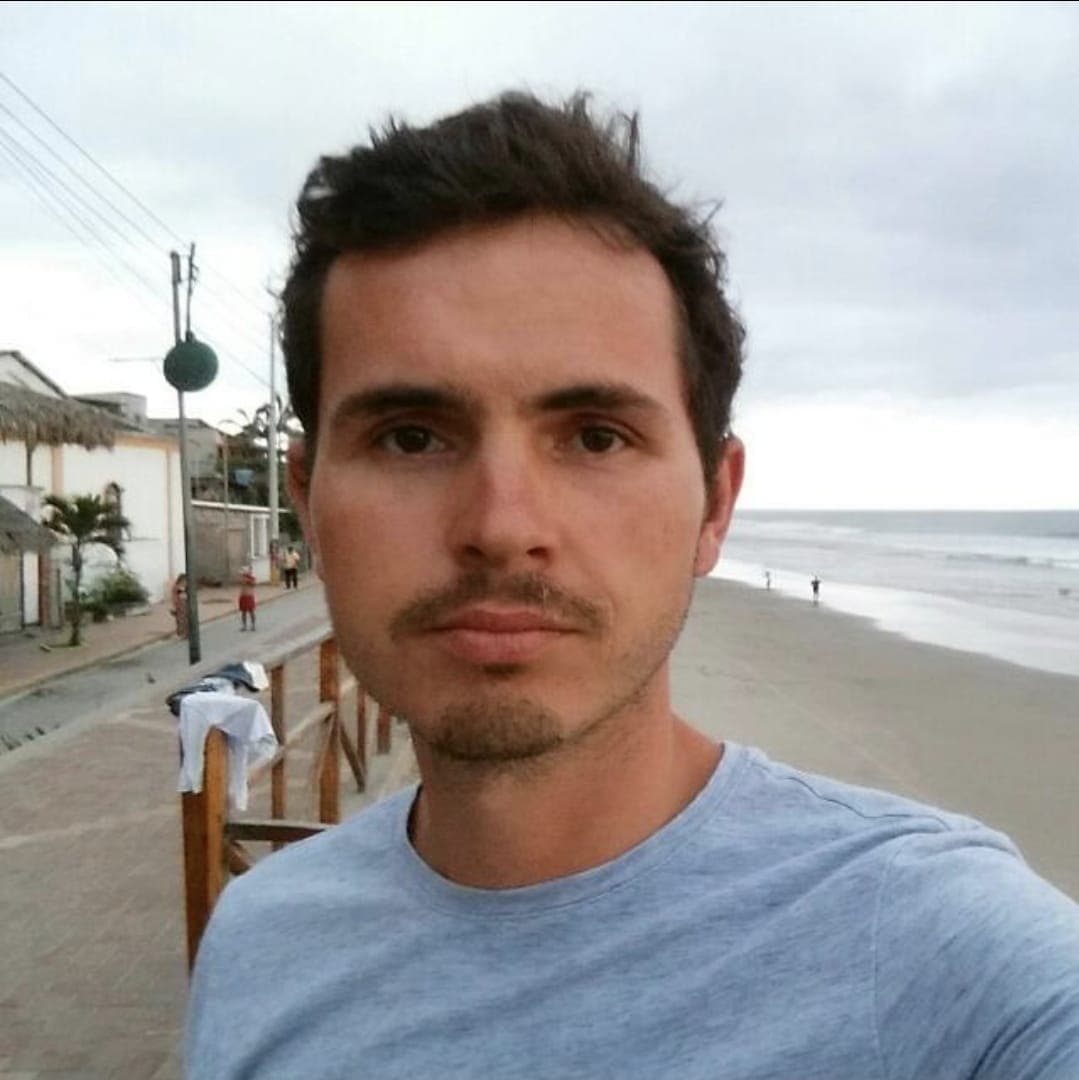
I served in Iraq. I came back broken in ways that took me ten years to name. I tried VA therapy, group therapy, two SSRIs, and a year of avoiding everything that might remind me of the war. None of it touched what was actually wrong. Ayahuasca, San Pedro, and somatic work touched it. That is why I do this work now. This is what I tell every veteran who emails me before booking with us.
What the research actually shows for combat PTSD
MAPS-funded MDMA-assisted therapy trials have shown that 67% of combat veterans with chronic PTSD no longer met diagnostic criteria after three sessions. Psilocybin and Ayahuasca research is earlier-stage but pointing in similar directions. Combat PTSD has historically been the hardest form of PTSD to treat — most conventional therapies plateau at 30 to 40% response rates. Plant medicine appears to break through where talk therapy and pharmaceuticals don't.
Why? Combat trauma usually involves three things at once: events too overwhelming for the nervous system to fully process; identity damage (you did things, you saw things, you survived when others didn't); and physiological changes — chronically elevated cortisol, altered hippocampus function, dysregulated vagal tone, persistent hyperarousal. Plant medicine addresses all three layers in ways that single-modality treatment usually doesn't.
What the medicine seems to do for veterans specifically
1. Memory reprocessing without re-traumatization
In normal trauma therapy, you have to revisit the memory enough to reprocess it but not so much that you re-traumatize. The window is narrow. With Ayahuasca, the same memories come up — but with the felt sense of being held by something larger than the memory. Veterans often describe seeing scenes from the war 'with a different eye' — neither denial nor flashback, just witnessing what happened with new context.
2. Releasing somatic charge
Combat trauma lives in the body. The freeze response, the held breath, the shoulders locked up since the deployment. The medicine, especially when combined with somatic work afterward, allows the body to do the discharge it was never able to complete in the moment. Trembling, weeping, deep involuntary breathing during ceremony are common — these are not signs of going wrong; they are signs of the body finally being allowed to finish what it started.
3. Forgiveness work — for self and others
The hardest part of combat PTSD for many of us isn't the events. It's what we did, what we couldn't do, who we became, who we couldn't save. The medicine does something with self-forgiveness that I have never seen another modality do. Many veterans describe the night of their first ceremony as the first time they could meet themselves with anything other than disgust or shame.
4. Reconnection — with the body, the present, the people you love
Numbness is a hallmark of combat PTSD. Plant medicine reverses it temporarily and, with integration, more durably. Veterans often report that the morning after their first ceremony was the first morning in many years they could feel their wife's hand on their shoulder. It sounds small. It is not small.
What the medicine does NOT do
- It does not erase memories. You will still remember.
- It does not 'cure' PTSD in one session. Anyone who says it does is lying or selling something.
- It does not work without integration. The retreat is the firework. The 90 days afterward, with a trauma-informed therapist, is the actual work.
- It does not work for everyone. About 70% of veterans we work with see significant improvement. The other 30% see partial improvement, no change, or in rare cases temporary worsening before improvement. We screen carefully but we cannot guarantee the outcome.
- It does not replace your VA benefits, your service dog, your medication, or your existing therapeutic relationships. It adds to them.
Specific contraindications for veterans
Other considerations specific to veterans:
- Active suicidal ideation in the last 6 months — we will defer the retreat and recommend stabilization with your VA team first
- Recent traumatic brain injury (TBI) within the last 12 months — case-by-case; some forms of TBI contraindicate Ayahuasca
- Active substance use disorder — we recommend at least 90 days of sobriety before retreat
- Service-connected cardiac issues — full medical clearance required
- Any current involvement with VA inpatient care or active crisis intervention — defer
What the retreat looks like for a veteran
We typically include 1 to 4 veterans on each retreat — small enough that nobody feels singled out, large enough that you have peer presence. Specific things we do that other retreats don't:
- I'm there. I'm a vet. I sit beside you. The ceremony space includes someone who has been where you have been.
- Pre-retreat phone call (free, 30 to 60 minutes) — I talk with every veteran before they book to understand the war, the unit, the years, the current state
- Pre-retreat somatic work — 30 to 90 days of breathing, grounding, and basic regulation skills you can practice at home
- Daily check-ins during the retreat at least once a day, more if you want
- A specific 'safety plan' built with you in advance — what to do if something comes up that overwhelms you
- Post-retreat: 4 sessions of integration with me at no extra cost, plus a referral to a trauma-informed therapist in your home location for ongoing work
- Sliding-scale pricing — we don't turn away vets for cost. Period.
What to bring (logistical)
- Documentation of your medical and psychiatric status (this protects you, not us)
- A list of all current medications and dosages
- Names and contact info for your VA team or prescriber
- Comfort items from home — a photo, a small object that grounds you
- Loose clothes, warm layers, an eye mask, a journal
- An extra pair of socks
What to leave behind
- The expectation that this will fix you in one night
- The instinct to white-knuckle through it because you've white-knuckled through worse
- The shame about asking for help — you're here, that's the help-asking
- Phone, news, work email, the urge to perform 'I'm fine'
After you come home
The first month is the most important. Specific guidance for veterans:
- Sleep. Sleep more than feels reasonable.
- Don't make major decisions for 30 days — including 'I should leave my marriage' or 'I should call my CO and apologize' or 'I should sell everything and move to Ecuador.' These thoughts are real, the timing might not be.
- Tell one person who knew you went what you came back with. Just one. The full story can wait years if you want.
- Re-engage your therapy practice within the first week. The medicine opens a door; integration walks you through it.
- Watch for the 'old self' coming back — usually around weeks 2 to 4. Numbness, isolation, the urge to drink. This is normal. Catching it is the work.
- Move your body daily. Walk. The land is the second medicine — keep it close.
If you're considering this
Email me directly. The contact form on our site reaches our general inbox. If you tell us in the message that you're a veteran, it routes to me. I respond within a day or two — sometimes the same day. We can have a free phone call. I'll tell you honestly whether I think this is the right time, the right medicine, and the right circle for what you're carrying. If it's not, I'll tell you that too, and I'll help you find what is.
There are vets in this work whose lives I have watched change. I have also watched vets push through the wrong door at the wrong time and get hurt by it. The difference is preparation, screening, and the people you do this with. Take the time. We'll be here when you're ready.
◦ from one carrier to another ◦ you are not alone in this ◦
— John Hasan Khadiyev, U.S. Army veteran, Iraq
◦
Ready to talk?
If something here resonates, write to us. We'd rather have the long conversation now than after.
Contact usContinue reading
Preparation
The Ayahuasca Prep Diet — What to Eat, What to Avoid, and Why It Actually Matters
A practical, no-mystique guide to the ten-day prep diet for an Ayahuasca retreat — including the medical reason for each restriction, the complete food list, and what to do if you slip.
Read articleGuide
What to Expect from Your First Ayahuasca Ceremony — An Honest Walk-Through
Hour by hour, what actually happens during a traditional Ayahuasca ceremony in the Ecuadorian highlands — from the afternoon arrival through dawn, including the parts most websites don't tell you about.
Read article