Preparation
·9 min read
The Ayahuasca Prep Diet — What to Eat, What to Avoid, and Why It Actually Matters
A practical, no-mystique guide to the ten-day prep diet for an Ayahuasca retreat — including the medical reason for each restriction, the complete food list, and what to do if you slip.
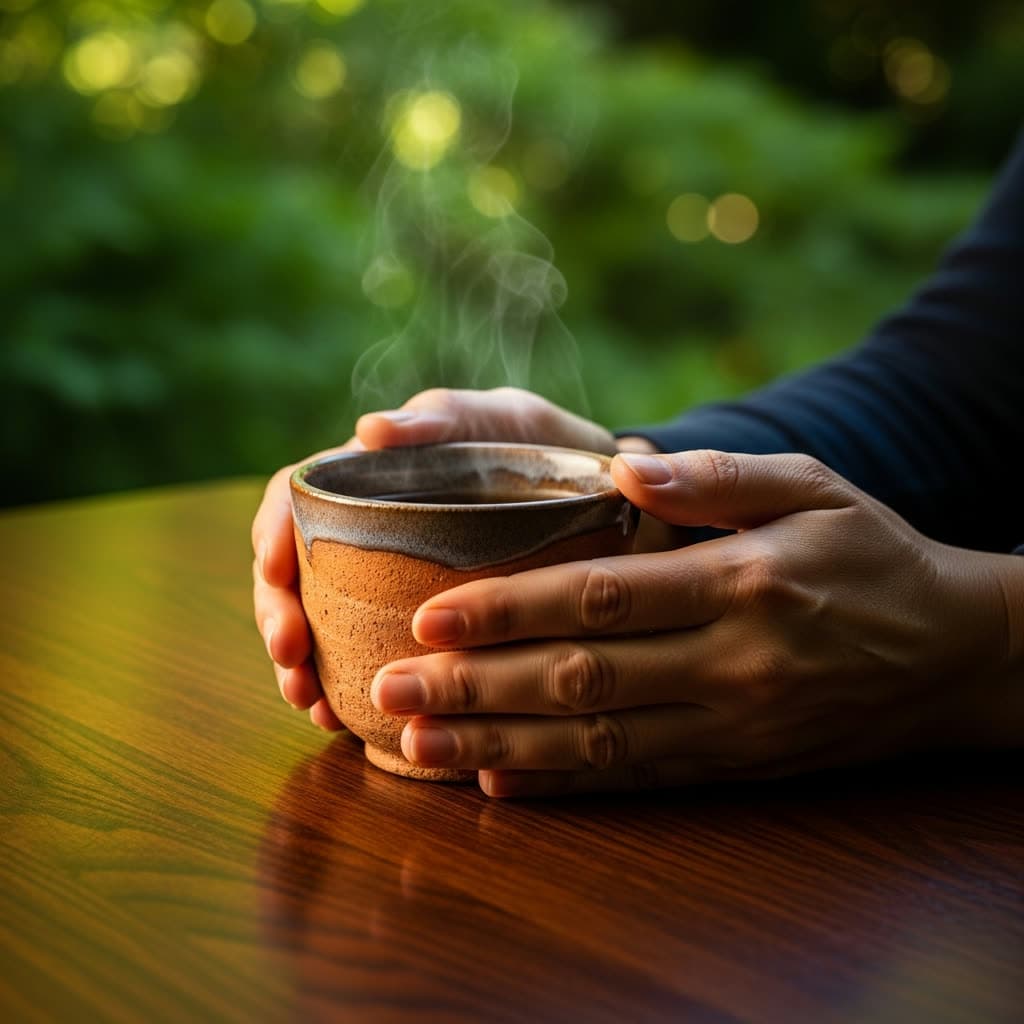
Ten days before you arrive at our maloka, what you eat starts mattering more than usual. Not because the medicine is fragile or judgmental — but because Ayahuasca contains MAOIs that briefly turn ordinary food into a chemistry experiment. Get this right and the work goes deeper. Get it wrong and you spend the first ceremony explaining your nausea to your shaman.
Why the diet exists in the first place
Ayahuasca's primary visionary alkaloid, DMT, is destroyed in the human gut by an enzyme called monoamine oxidase (MAO). The vine — Banisteriopsis caapi — contains harmala alkaloids that temporarily inhibit MAO so the DMT can do its work. That same enzyme is responsible for breaking down a dietary amino acid called tyramine. When MAO is suppressed, dietary tyramine can build up to dangerous levels and cause hypertensive crisis: pounding headache, nausea, spiked blood pressure.
So roughly half the prep diet is about reducing tyramine and other amines that interact poorly with MAOIs. The other half is about giving the body enough quiet to actually receive the medicine — your liver, your gut, your nervous system, your dreams.
The week-by-week plan
10 days out: tighten the easy stuff
- Cut alcohol completely. Even one beer the night before ceremony can spike anxiety and dull the medicine.
- Stop recreational substances. Cannabis, cocaine, MDMA, ketamine — all out for at least 7 days.
- Reduce caffeine to one cup of coffee in the morning, none after noon.
- Cut processed sugar where you reasonably can.
7 days out: the dietary diet starts
From day -7 through 5 days after your last ceremony you avoid:
- Pork (high tyramine, traditionally considered heavy energy)
- Aged or fermented foods — aged cheese, soy sauce, miso, kimchi, sauerkraut, kombucha, vinegar-pickled foods
- Cured meats — salami, prosciutto, pepperoni, jerky
- Smoked or salted fish — anchovies, sardines, smoked salmon
- Fava beans, broad beans, snow peas (high tyramine)
- Bananas (especially overripe), avocados (especially overripe), figs, raspberries
- Refined sugar, processed foods, fast food
- Hot peppers, excess salt, excess spice
- Caffeine after the morning
- Sex (yours alone or partnered) — traditional practice for keeping the energy concentrated
What you eat instead
Plain, fresh, and simple. Think: rural-grandmother food before the supermarket era.
- Whole grains: rice, quinoa, oats, plain pasta
- Fresh vegetables (lightly cooked or raw): leafy greens, squash, root vegetables, broccoli, carrots, beets
- Fresh fruits (in moderation): apples, pears, berries (not raspberries), citrus, melon
- Lean fresh poultry, fresh fish (not aged or smoked)
- Eggs, beans (except favas), lentils, tofu
- Olive oil, coconut oil, avocado oil
- Plenty of water and herbal teas (no green or black tea on ceremony days)
Medications: this is the part nobody wants to read
This is where Ayahuasca prep gets genuinely serious. Several common medications are absolutely incompatible with Ayahuasca — combining them ranges from very unpleasant to medically dangerous. We screen for these in our intake form and we will not run a ceremony with someone who has not properly tapered.
Less alarming but still worth flagging: stimulants (Adderall, Ritalin), benzodiazepines (Xanax, Valium, Klonopin) — most prescribers can taper you off these in 2–3 weeks. We work with our consulting MD in Quito to help plan tapers when prescribers are unavailable or unfamiliar.
What if I slip?
Most slips are tiny — a slice of cheese on a salad you didn't order, a sip of red wine at dinner — and won't ruin anything. The diet is a strong recommendation, not a fragile spell. If you ate aged cheese five days before ceremony you are fine. If you took a recreational drug 48 hours before ceremony, tell us — we may delay your participation. If you're on SSRIs and didn't taper, we cannot include you. We'd rather have a hard conversation now than a hospital trip later.
After the retreat: closing the diet
The diet doesn't end the moment the last ceremony does. For 5–7 days after, stay on the same prep foods, stay off alcohol and recreational substances, and stay gentle. The body is processing what surfaced. Heavy food, heavy social demands, and heavy emotional content all blunt the integration. People who break the diet on the way home from the airport often report the work fading within a month. People who hold the diet a week past the retreat often report the work lasting a year.
◦ ten days of plain food. one year of clarity. ◦
The deeper reason for the dieta
The pharmacology is real but it's not the whole story. The Amazonian master-plant diet tradition — what indigenous teachers call la dieta — uses food restriction as a frequency adjustment. Pork carries one frequency. Salt carries another. Sex carries another. The diet is not about purity, it's about coherence. You're concentrating your signal so the medicine can read you.
Most participants tell us afterward that the diet was the unexpectedly profound part. Eating plain rice and lightly cooked vegetables for ten days is a small spiritual practice in itself — and it begins the work before you ever sit in ceremony.
If you have specific questions about your medications, dietary restrictions, or a particular health condition, write to us. We screen everyone before confirming a spot, and we'd rather have the longer conversation in advance than a difficult one on day one.
◦
Ready to talk?
If something here resonates, write to us. We'd rather have the long conversation now than after.
Contact usContinue reading
Preparation
SSRIs and Ayahuasca — The Tapering Conversation Nobody Wants to Have
If you're on an SSRI and considering Ayahuasca, this is the most important article on this site. The pharmacology, the timing, the conversation with your prescriber, and what to do if you can't safely come off your medication.
Read articleGuide
What to Expect from Your First Ayahuasca Ceremony — An Honest Walk-Through
Hour by hour, what actually happens during a traditional Ayahuasca ceremony in the Ecuadorian highlands — from the afternoon arrival through dawn, including the parts most websites don't tell you about.
Read article