Guide
·8 min read
When Is the Best Time of Year for an Ayahuasca Retreat in Ecuador?
Ecuador sits on the equator — there are no four seasons, just two. A month-by-month guide to weather, ceremony rhythm, what to pack, and what each window asks of you.
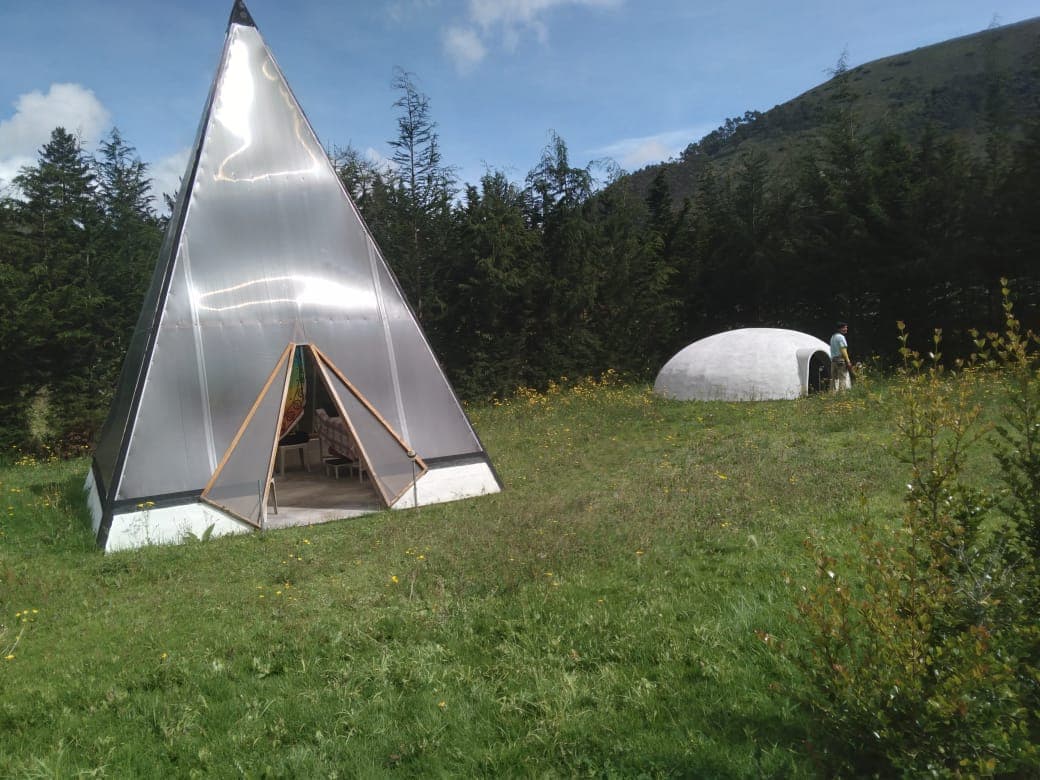
We hold retreats year-round at our highland centers near Quito. People often ask which month is 'best' — and the honest answer is that the calendar matters less than you might think. The land at 2,400 meters above sea level lives in a different time scale than seasons. But there are real differences. Here is what you should know before you book your flight.
Ecuador has two seasons, not four
Sitting on the equator at altitude, our Andean highland setting has only two distinguishable seasons — the dry season (June to early October) and the wet season (October to May). Temperature varies less than 5 degrees Celsius across the entire year. Days are 12 hours long, every day. Sunrise is at 6 am. Sunset is at 6 pm. This is the rhythm the medicine has always lived in.
Month-by-month overview
January – February: green, mild, low-tourist
Wet season is in full swing. Most days have a few hours of rain, often in the afternoon. Mornings are typically dry and bright. The land is at its greenest — hummingbirds are everywhere. Quito's tourist load is moderate. Flights from North America and Europe are still relatively affordable post-holiday. Excellent window for a quiet, contained retreat.
What to pack: layered clothing, a real waterproof jacket, sturdy shoes that can get wet.
March – April: deep green, the best birding
Heaviest rain weeks of the year, but rain in the highlands is rarely all-day rain — it falls hard for an hour or two and then clears. The land is fragrant, the rivers are full, and birding is at its peak. We hold large retreats in this window because the energetic 'green' of the land seems to deepen ceremony work for many participants.
May: the transition
Late wet season. Rains begin to taper. Days are warm and clear in the morning, often misty in late afternoon. Many of our long-term participants prefer this window — fewer foreign tourists, soft light, the temazcal feels especially good as the temperatures cool slightly at night.
June – August: the dry season, peak high tourist
Dry, sunny, blue-sky days. Cool nights. This is the most popular travel window for North American and European visitors — flights are more expensive, Quito is busier, the whole country is at peak. Retreats fill earlier; book 3 to 4 months out if you want a specific date. The weather is gorgeous but the energy is more 'tourist Ecuador' than 'local Ecuador.'
September: the secret window
Late dry season. Tourist traffic begins to drop. Weather is still excellent — clear, mild, dry. We deliberately schedule retreats in September because participants tend to have more space, more presence, and a more affordable trip. If your dates are flexible, this is the month we recommend most.
October – December: short rainy season, festival season
Rain returns. October and early November can be mixed. Late November through December has the long Christmas / New Year energy in Ecuador — it is a deeply Catholic and indigenous-festival country, and the cities are alive with processions, bonfires, fireworks, family gatherings. We hold a special end-of-year retreat for those who want to do their integration work alongside the natural year-end reflection.
Beyond the weather — the energetic calendar
Indigenous Andean and Amazonian traditions track the year not by temperature but by the cycle of celestial events. The two equinoxes and two solstices are considered ceremonial peaks. The two equinoxes happen on March 20–21 and September 22–23 — when day and night are equal globally. The two solstices on June 20–21 (Inti Raymi, sun festival) and December 21–22 (Capac Raymi). Many of our most attended retreats happen in the weeks bracketing these dates — the energy is genuinely different and our Taitas favor working at these times.
Combining your retreat with seeing Ecuador
Most participants build a 10 to 14 day trip around our retreat. Common combinations:
- 3 days in Quito's old town before the retreat — colonial architecture, cathedrals, Equator Line monument
- 5 days at the retreat
- 3 to 5 days exploring the Andean highlands or the Amazon (Tena, Misahualli) for integration in nature
If you have additional time and want the contrast: the Galapagos Islands and Cotopaxi (the world's tallest active volcano) are both 1 to 2 day add-ons that pair well with the work. We can recommend trusted local guides.
The honest answer to 'when should I come?'
When you are ready. The right month is the one in which you have the time, the financial space, and the emotional capacity to actually do the work and integrate it afterward. A perfect-weather retreat with rushed work-from-home time the week after will not serve you. A rainy-October retreat with two clear weeks of integration after will. The land is there. The Taitas are there. The seasons cycle. You decide when.
◦ the year is always green somewhere on this mountain ◦
If you'd like help choosing dates around your work, family, or specific astrological windows, write to us — we coordinate calendars personally for every booking.
◦
Ready to talk?
If something here resonates, write to us. We'd rather have the long conversation now than after.
Contact usContinue reading
Guide
What to Expect from Your First Ayahuasca Ceremony — An Honest Walk-Through
Hour by hour, what actually happens during a traditional Ayahuasca ceremony in the Ecuadorian highlands — from the afternoon arrival through dawn, including the parts most websites don't tell you about.
Read articleGuide
San Pedro vs Ayahuasca — Which Plant Medicine Is Right for You?
Both are sacred. Both are powerful. They do very different work. A comparison from a circle that holds both — covering tradition, day-of experience, intensity, and who tends to be drawn to which.
Read article